










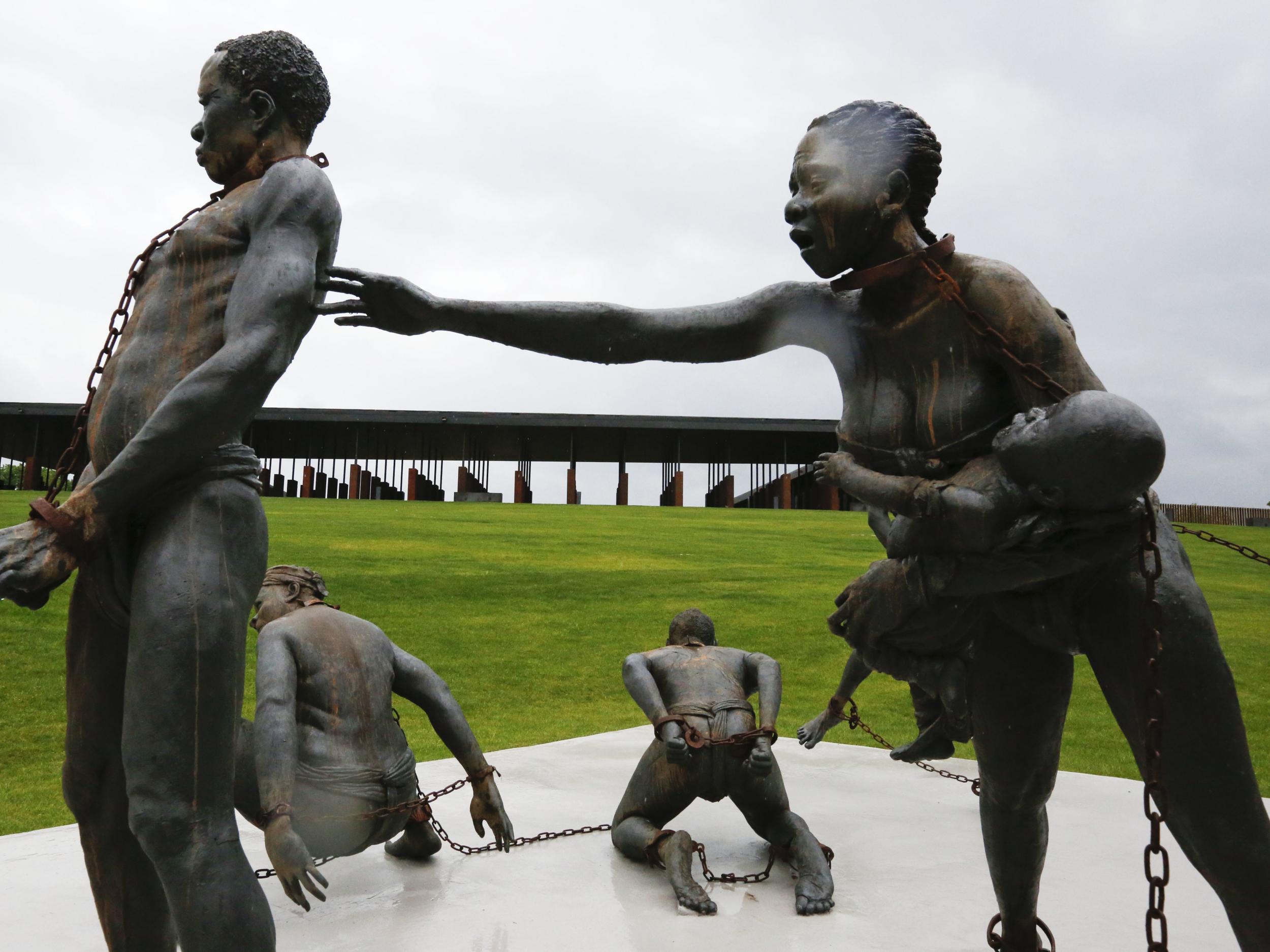
Here is a short chronological summary of the history of enslaved Africans in the United States.
1619 – Some of the first African slaves are purchased in Virginia by English colonists, though European colonists had used slaves long before

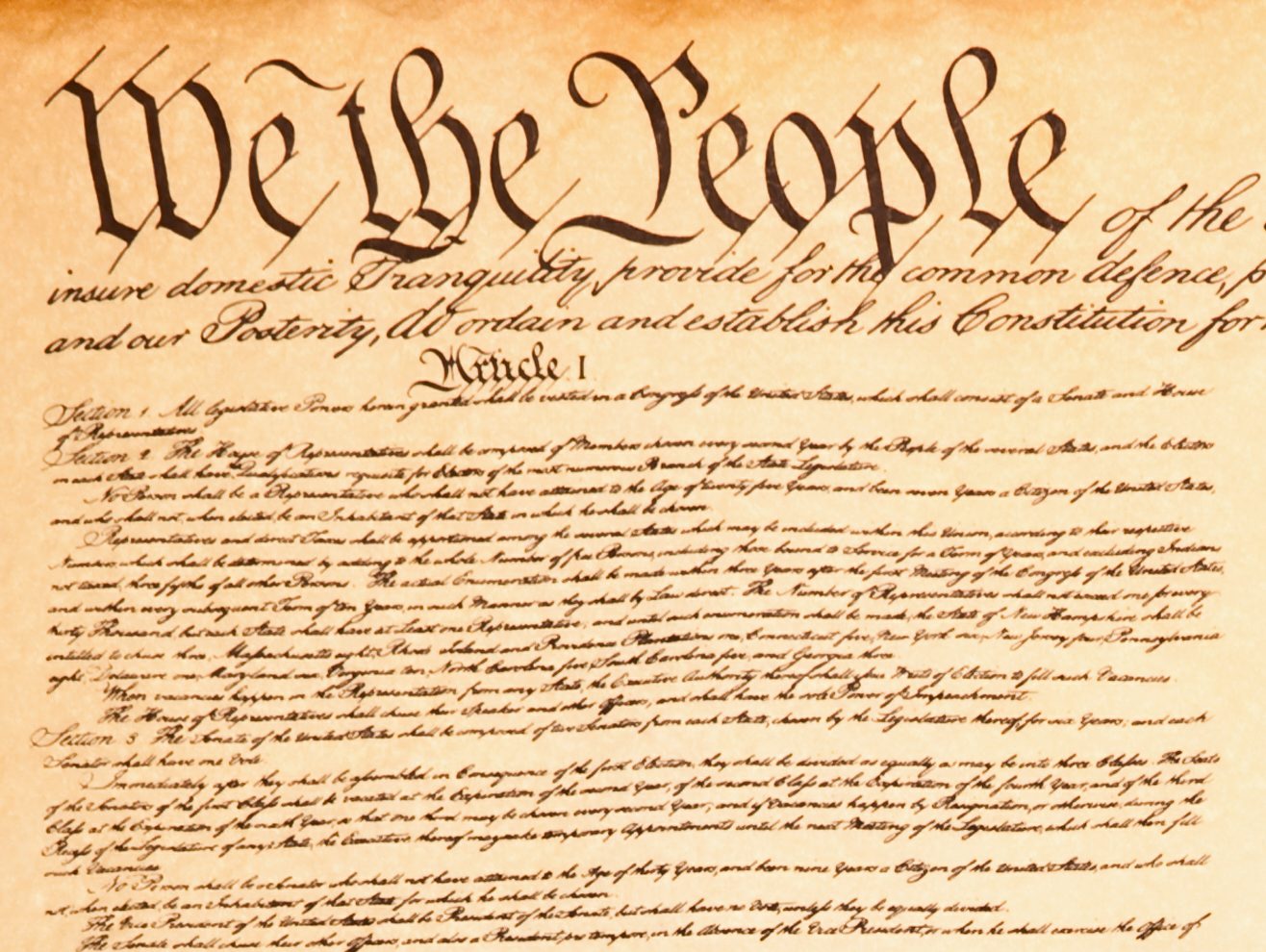
1788 – The US Constitution is ratified; under it, slaves are considered by law to be three-fifths of a person
1808 – President Thomas Jefferson officially ends the African slave trade, but the domestic slave trade, particularly in the southern states, begins to grow

1822 – Freed Black people found Liberia in West Africa as a new home for freed slaves
The nation of Liberia was founded by former slaves who were freed and decided to return to their ancestral homeland, where they founded their own country. Liberia retained ties to the USA until the government created by the ex-freedmen was overthrown in 1980, and it still uses this flag, and its capital is still named for the US President who was its patron—Monrovia.
Because Liberia was a US-sponsored state, it became the only African country that was not colonized by Europeans during the “Scramble for Africa.” It was founded in 1822 and formally declared its independence in 1847.

1860 – Abraham Lincoln becomes president of the US; the southern states secede, and the Civil War begins the following year
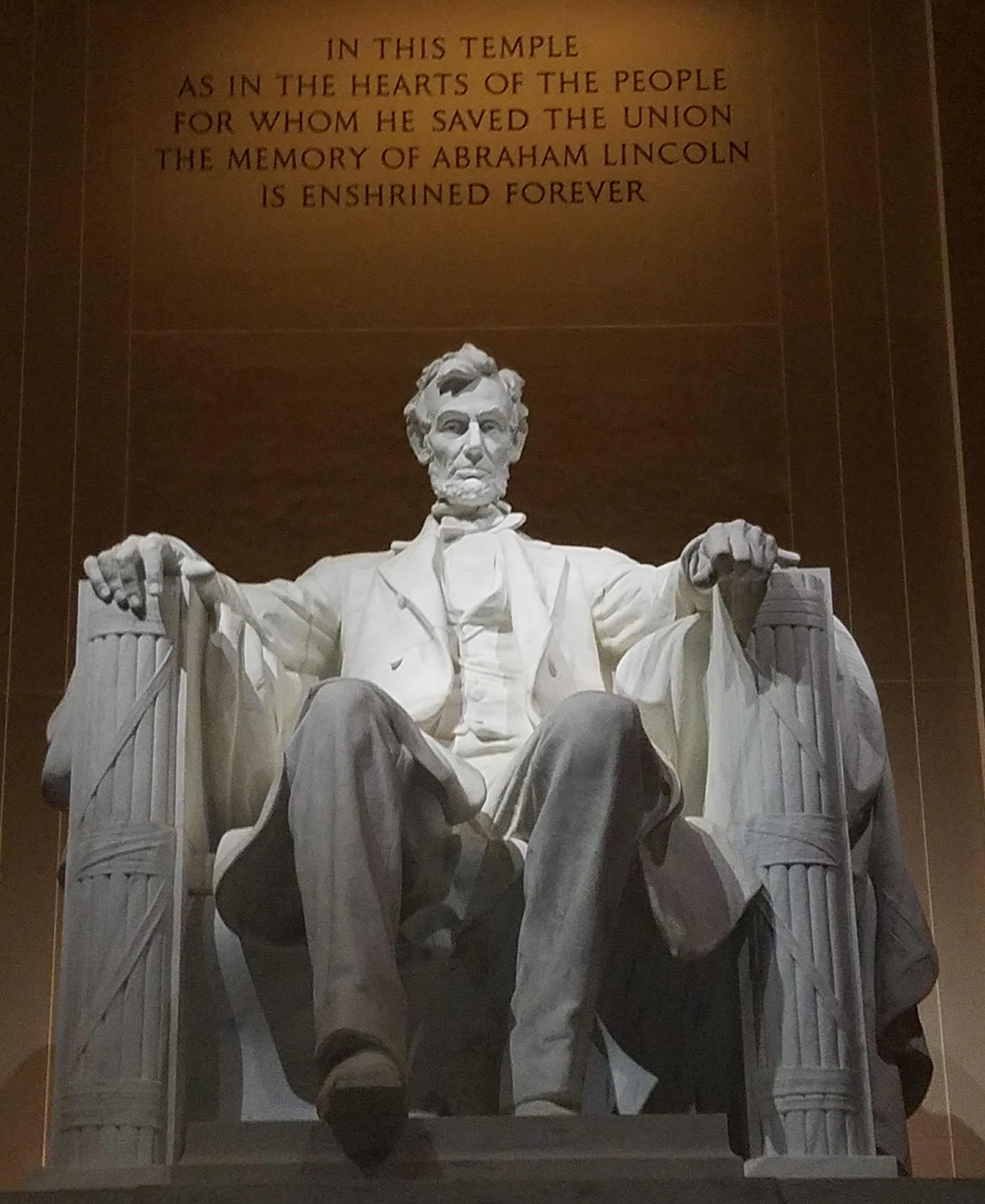

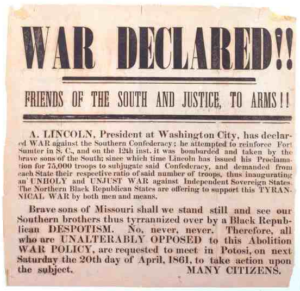
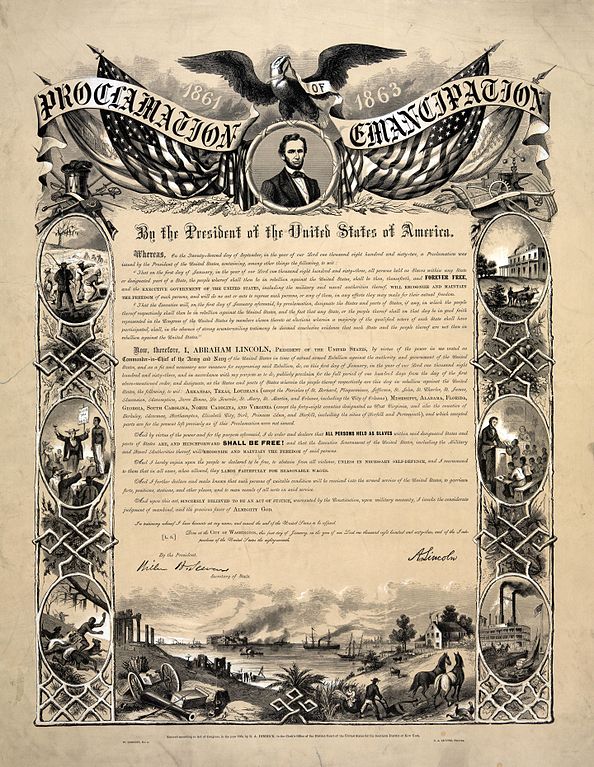
1862 – President Lincoln’s Emancipation Proclamation frees all slaves in the seceded states
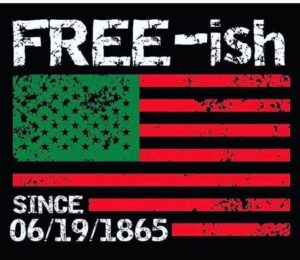
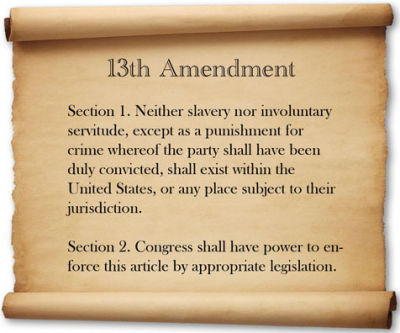
1865 – The South loses the war; the 13th Amendment to the Constitution formally abolishes slavery

/cloudfront-us-east-1.images.arcpublishing.com/gray/7Y2ISVAHGJADZPX6OGRTW4S6NA.png)
1868 – The 14th Amendment grants freed Black people citizenship
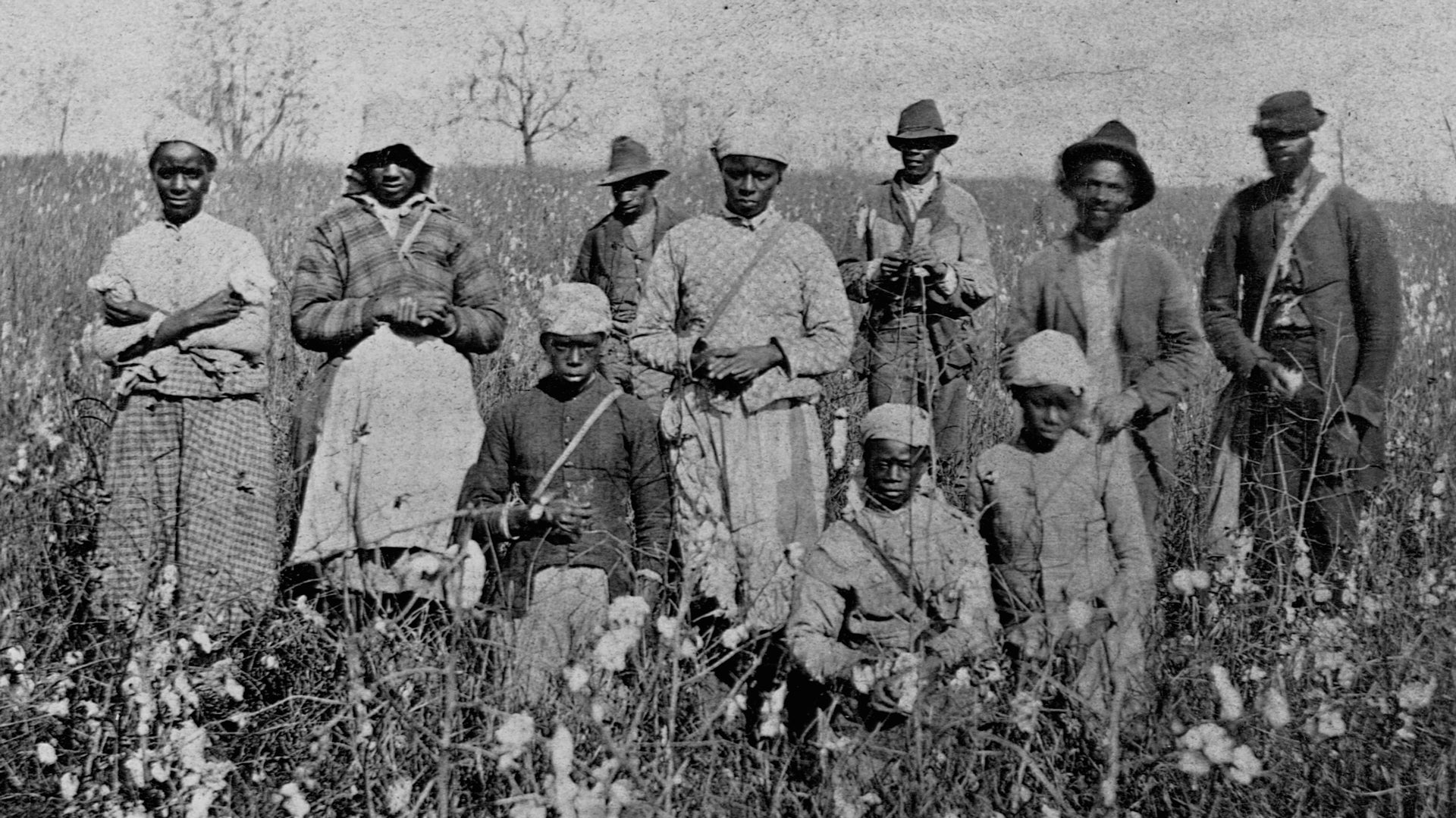

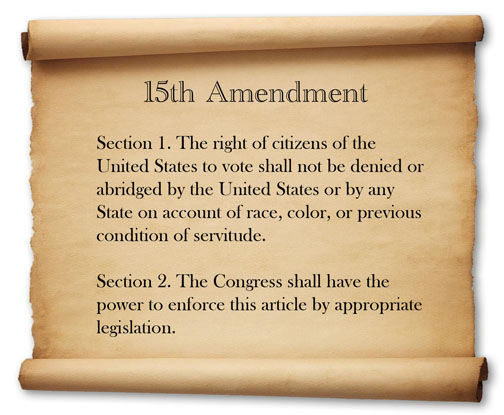
1870 – The 15th Amendment gives Black men the right to vote; the South begins passing segregation laws

1865 was a significant year in the history of Black people in America as it marked the end of slavery in the United States. President Abraham Lincoln issued the Emancipation Proclamation in 1863, but it was not until the end of the Civil War in 1865 that the Proclamation was fully enforced and slavery abolished.
With the end of slavery, Black people in America faced new challenges as they sought to rebuild their lives and communities. Many were left without homes, jobs, or education and faced discrimination and violence from whites who were resentful of Black people’s newfound freedom.
The period following the Civil War, known as Reconstruction, was marked by efforts to rebuild the South and grant equal rights and opportunities to Black people. The 13th, 14th, and 15th Amendments were added to the Constitution, abolishing slavery, granting citizenship to all persons born or naturalized in the United States, and prohibiting the denial of voting rights based on race.
Despite these efforts, the Reconstruction era was marred by violence and discrimination against Black people as well as political corruption and resistance from whites who sought to maintain their power and privilege. Jim Crow laws were established in the South, imposing segregation and discrimination in housing, education, employment, and public services.
It was not until the Civil Rights Movement of the 1950s and 1960s that significant progress was made in the struggle for equal rights and opportunities for Black people in America. The movement was led by figures such as Martin Luther King Jr., who advocated for nonviolent protests and civil disobedience to bring attention to the injustices faced by Black people.
Today, Black people in America continue to face systemic racism and discrimination, but our struggles and achievements throughout history have paved the way for progress and social change.
Black Mind Builder is united in pushing an agenda leveraging historical facts, data, and valued and varied opinions to raise the level of awareness of what has happened, is happening, and will happen to Black people if ignorance, poor focus on critical issues, not holding leaders accountable, not planning and executing flawlessly, and simple inaction will have on Black people today and beyond. We must build our minds, capabilities, and areas for united actions while rejecting all agreements that have little or no value to Black people living in America.
None are more hopelessly enslaved than those who falsely believe they are free. – Johann Wolfgang von Goethe

For the Black Americans – Descendants of enslaved African people written into the Constitution of the United States of America. Who worked for FREE in building this Nation – We will never forget how inhuman this country has been to our forefathers and mothers, and continues to be toward American Black people, descendants of enslaved African people.
Black Mind Builder!